
Follow us on Instagram

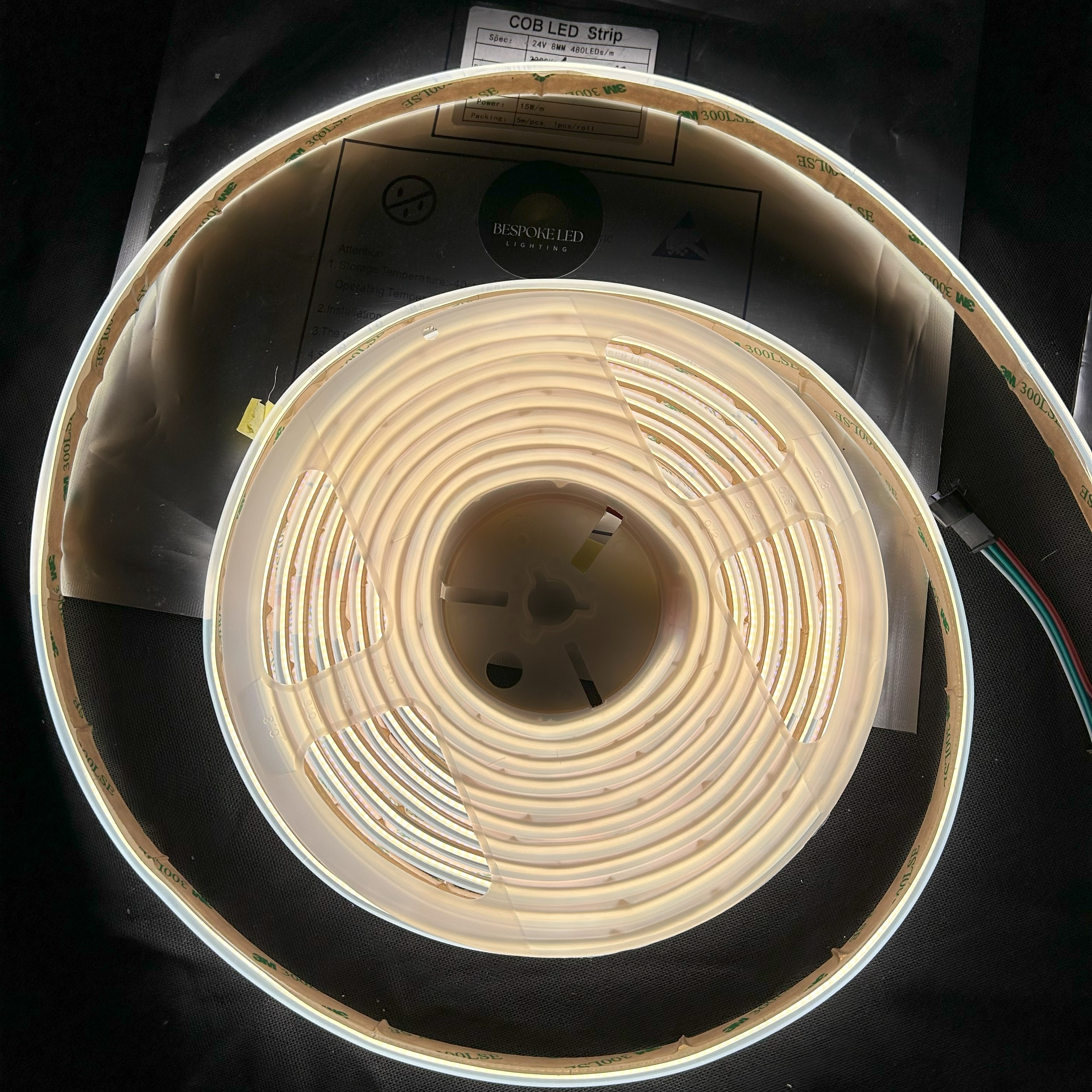
The short answer: use IP20 LED strips in dry indoor areas such as living rooms, bedrooms and inside kitchen cabinets; IP65 where there may be splashes or in sheltered outdoor spots; and IP67 for full outdoor exposure, around pools, and in bathroom zones close to water.
IP stands for Ingress Protection. The first digit rates protection against solids such as dust (0 to 6); the second rates protection against water (0 to 8). The higher the number, the better the protection.
Under-cabinet and plinth lighting in a normal kitchen is usually fine with IP20 strip inside an aluminium profile with a diffuser. Choose IP65 or IP67 near sinks, or in plinths where floors are mopped regularly.
UK wiring regulations divide bathrooms into zones around the bath and shower:
In practice we recommend IP65 or IP67 strip anywhere water may reach, with the LED driver installed outside the zones. Bathroom electrical work should always be carried out by a qualified electrician, and some work must be notified under Building Regulations.
For gardens, decking, steps and fascias, use IP67 strip, seal every cut end with silicone end caps, and pair it with an IP67 waterproof driver or keep the driver indoors. An outdoor profile adds UV and impact protection.
Yes in sheltered spots such as under eaves or covered pergolas. For areas exposed to rain, standing water or sprinklers, IP67 is safer.
The silicone encapsulation can reduce output slightly and change the colour very marginally, so compare the lumens per metre when choosing.
Only if the driver itself will be outdoors or in a damp location. Otherwise, keep a standard driver indoors and run cable to the strip.
Browse our outdoor LED strips, or call 01244 722781 for advice on your project.


