


.svg)
Complete LED Strip Lighting Guide (How to Choose, Install, and Style LEDs)
LED strip lighting is one of the easiest and most affordable ways to transform any room in your home. Whether you want softer ambient lighting in the bedroom, modern task lighting in the kitchen, or a full RGB setup for gaming, LED strips deliver the perfect balance of flexibility, style, and energy savings. This guide walks you through everything you need to know — how to choose the right strip, how to install it properly, and how to avoid the common mistakes that cause flickering, dimming, or poor adhesion. If you want a clean, professional finish without the guesswork, you’re in the right place. Use this page as your go-to resource before buying or installing LEDs anywhere in your home.
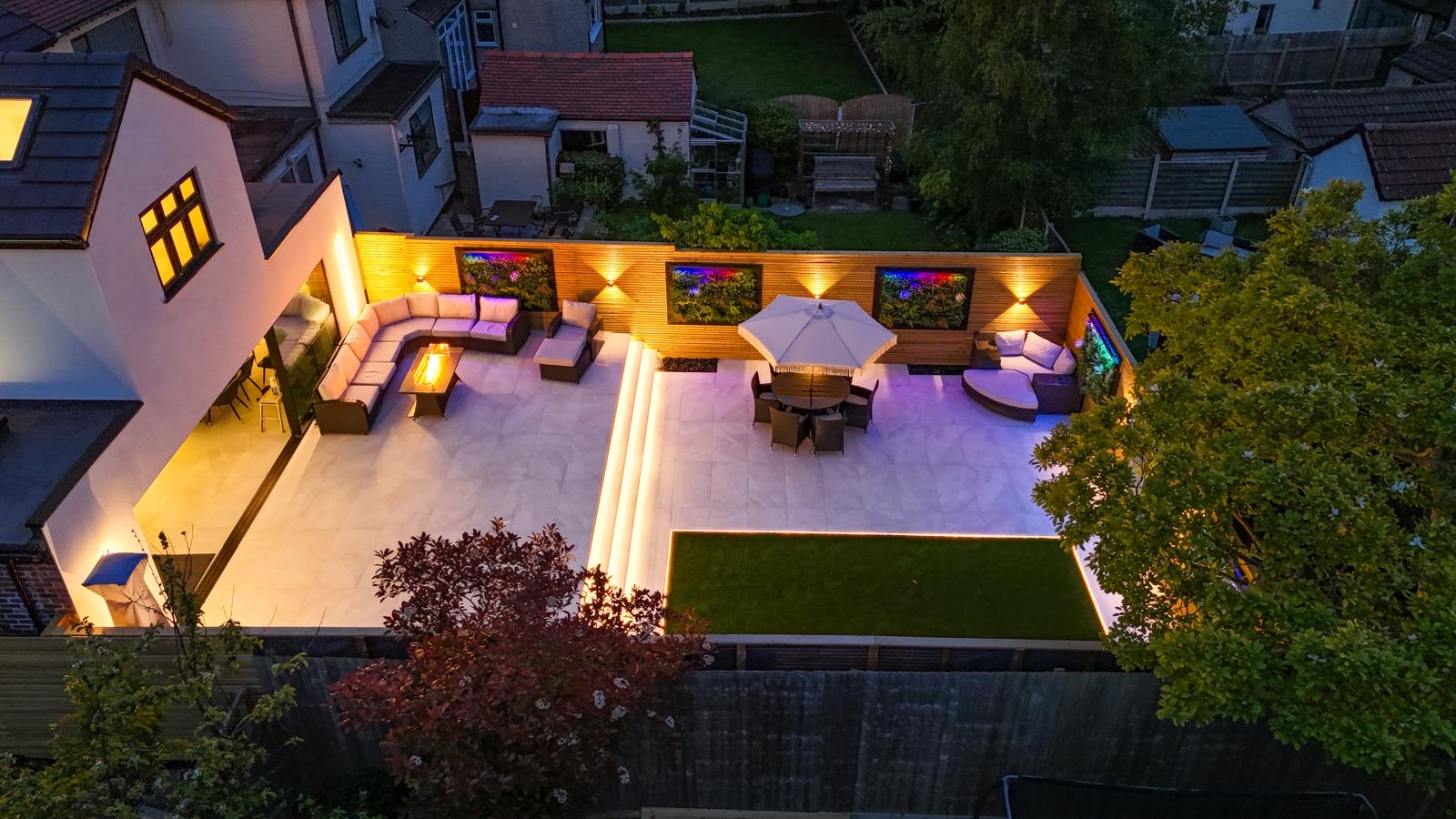
How to Choose the Right LED Strip Lights
The strip you choose depends on where you’re installing it and the type of light you want to achieve.
Brightness (Lumens)
• Kitchens need high brightness
• Bedrooms and living rooms benefit from softer warm tones
• Gaming setups often use RGB for colour effects
Colour Temperature
Warm white (2700k–3000k): cosy, soft, ideal for living rooms and bedrooms
Cool white (4000k–6000k): crisp, modern, perfect for kitchens and bathrooms
RGB/RGBIC: dynamic colour lighting for gaming, media rooms, and entertainment
IP Rating (Water Protection)
• IP20 for dry areas
• IP65 for kitchens and bathrooms
Tip: Never install non-waterproof strips above ovens, sinks, or hobs.
LED Quality and Chip Density
Higher LED density means smoother light and no visible dots.
Cheaper strips flicker, dim, and burn out sooner.
We source only the best rated LED products and would highly recommend any of our ranges for all types of LED work.

Best Places to Use LED Strip Lights
LED strips work in almost every room.
Kitchen
• Under-cabinet lighting
• Kickboard lighting
• Counter-edge strips
Bedroom
• Behind the bed
• Around wardrobes
• Under-bed glow
Living Room
• Behind the TV
• Around shelves
• In coving
Gaming Room
• Desk setup
• Wall edging
• Behind monitors
.jpeg)
How to Install LED Strip Lights
Step 1: Clean the Surface
Use a dry cloth. Dust stops the adhesive from sticking.
Step 2: Measure the Area
Always measure twice. Cut the strip only at the marked points.
Step 3: Attach the Strip
Peel the adhesive backing and press firmly. Take your time around corners.
Step 4: Connect to the Power Supply
Make sure voltage output matches your strip (12v or 24v).
Step 5: Turn on and Test
If the strip doesn’t turn on, check polarity and connectors.
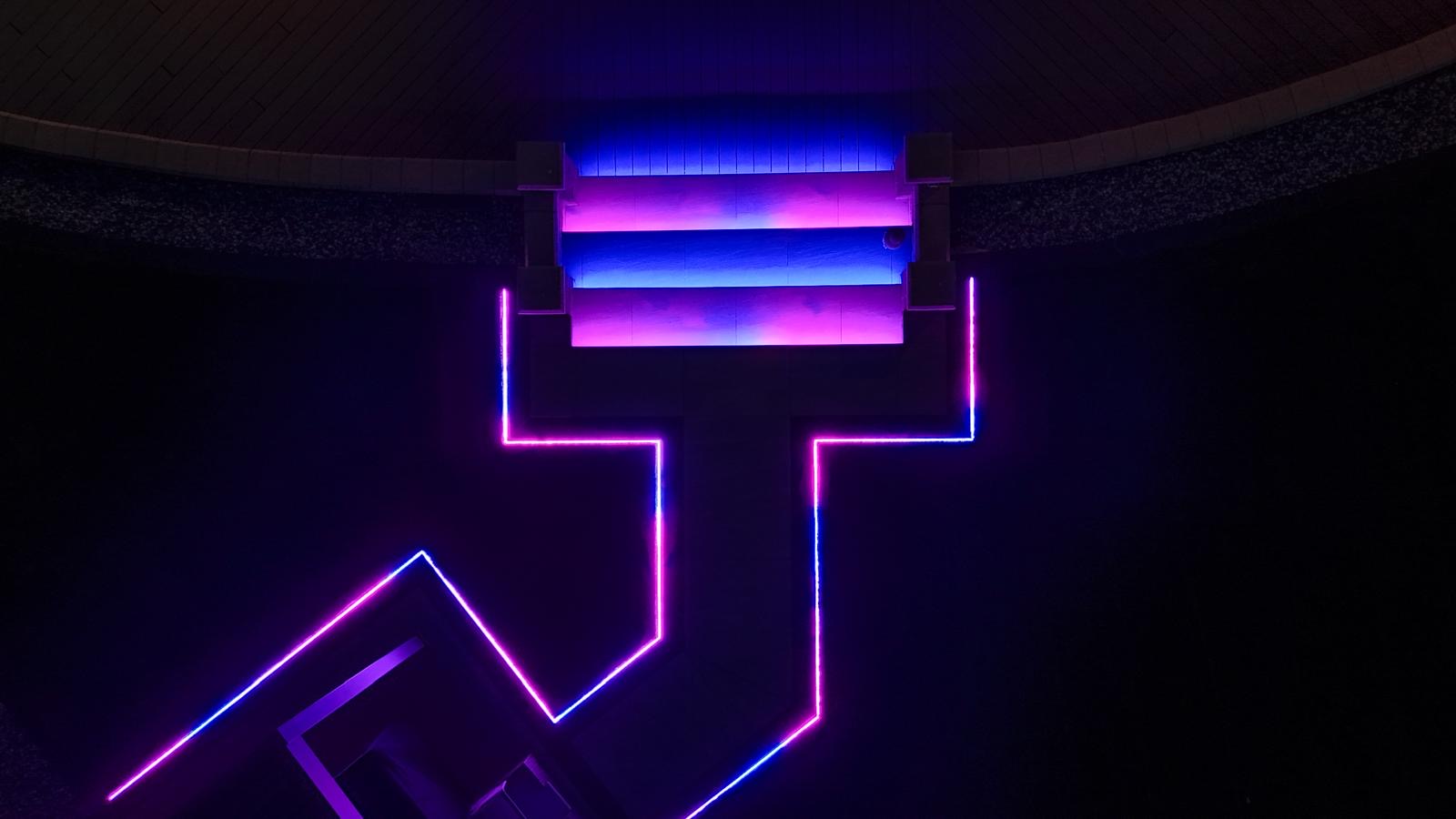
Common LED Strip Lighting Mistakes
1. Buying strips that are too dim
Low-power strips look flat and dull.
2. Installing them on dusty or greasy surfaces
This causes strips to fall off within weeks.
3. Using the wrong power supply
The number-one cause of flickering.
4. Buying from marketplaces with inconsistent quality
Cheap LEDs burn out quickly or have uneven colours.

LED Strip Lighting Ideas
Kitchen Ideas
• under-cabinet task lighting
• kickboard glow
• lighting behind shelves
Bedroom Ideas
• behind-the-bed halo
• wardrobe highlights
• soft, warm coving
Living Room
• behind TV
• lighting in alcoves
• shelves and bookcases
.jpeg)


.jpeg)
.jpeg)