


.svg)
LED Lighting Cost and Energy Savings: Is LED Lighting Worth It?
When considering a lighting upgrade, cost is often the first question. While LED lighting can have a higher upfront cost than traditional lighting, it consistently delivers long-term savings through reduced energy use, lower maintenance requirements, and extended lifespan. For both homes and commercial environments, LED lighting is widely recognised as one of the most cost-effective lighting solutions available.
This guide explains how much LED lighting typically costs, how much energy it saves, and why many households and businesses see LED lighting as a smart long-term investment rather than a short-term expense.
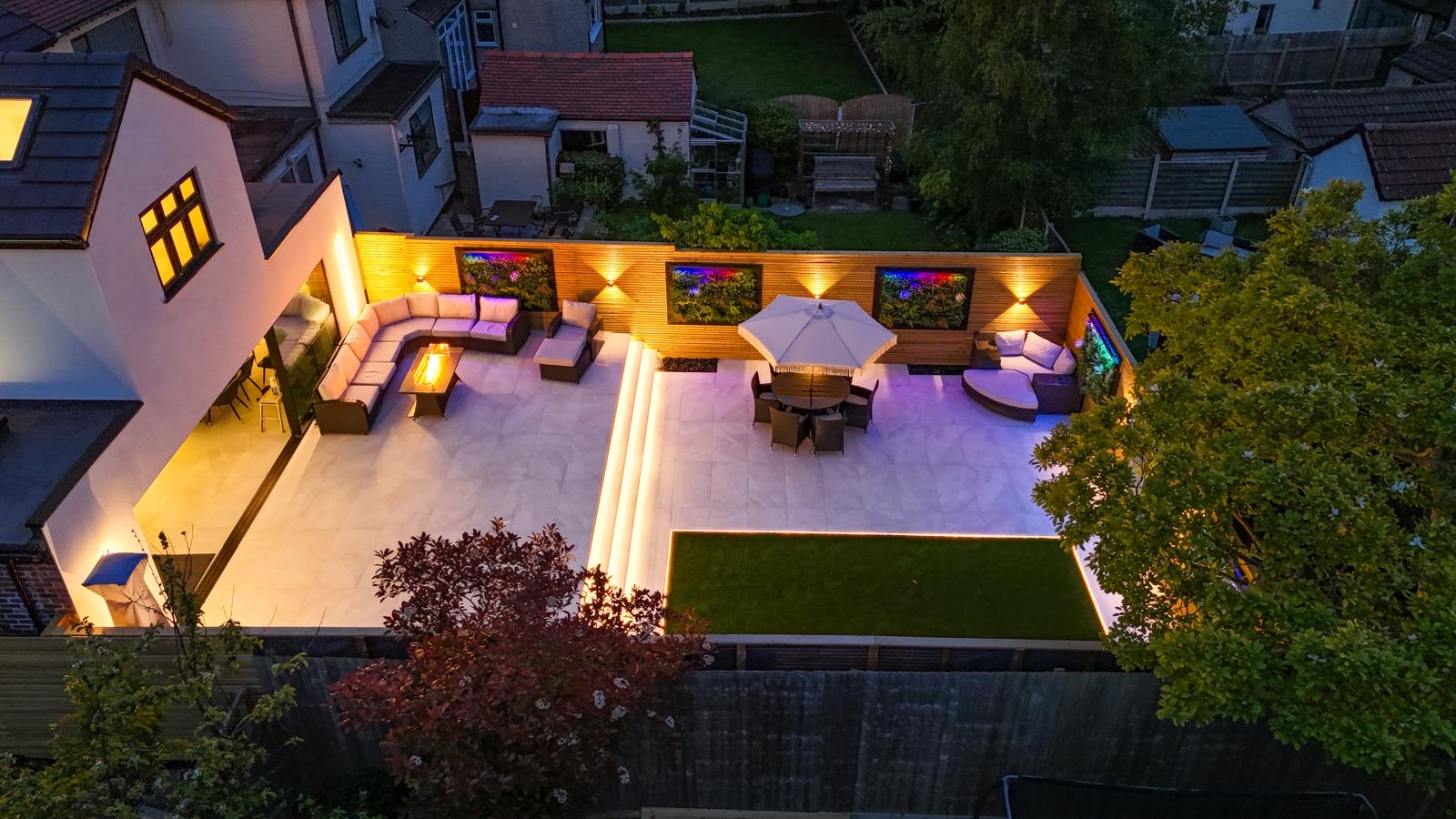
How Much Does LED Lighting Cost?
The cost of LED lighting varies depending on the type of lighting, the quality of components, and the scale of the installation.
For individual LED products such as strip lighting or fixtures, prices can range from low-cost basic options to premium systems designed for long-term performance. Higher-quality LED lighting typically costs more upfront but offers better light output, improved consistency, and a significantly longer lifespan.
In commercial settings, the initial cost may be higher due to the size of the space and the number of lighting points required. However, this is often offset by energy savings and reduced maintenance over time.
The key consideration is not just the purchase price, but the total cost of ownership over the life of the lighting system.

What Affects the Cost of LED Lighting?
Several factors influence the overall cost of LED lighting:
Type of LED lighting
Strip lighting, downlights, feature lighting, and high-output commercial LEDs all vary in price based on performance and application.
Brightness and output
Higher lumen output generally increases cost, particularly for commercial or large-scale installations.
Colour temperature and control options
Dimmable LEDs, colour-changing systems, and smart controls add flexibility but can increase upfront costs.
Build quality and lifespan
Premium LED products use higher-quality components that last longer and maintain consistent brightness over time.
Scale of installation
Larger spaces require more lighting points and power capacity, increasing initial investment while also increasing potential energy savings.
.jpeg)
How Much Energy Does LED Lighting Save?
One of the biggest advantages of LED lighting is its energy efficiency. LEDs use significantly less electricity than traditional halogen, incandescent, or fluorescent lighting.
In many cases, LED lighting can reduce energy consumption by up to 80 percent compared to older lighting technologies. This makes a noticeable difference on electricity bills, particularly in environments where lighting is used for long periods each day.
For businesses operating offices, retail spaces, or warehouses, energy savings from LED lighting can be substantial and measurable within the first year of installation.
LED Lighting Running Costs Compared
Traditional lighting solutions convert a large amount of energy into heat rather than light. LED lighting is far more efficient, producing the same or higher brightness while consuming far less power.
This efficiency means:
Lower monthly electricity costs
Reduced heat output, which can also lower cooling requirements
More predictable long-term running costs
Over time, these savings often exceed the initial purchase cost of LED lighting.
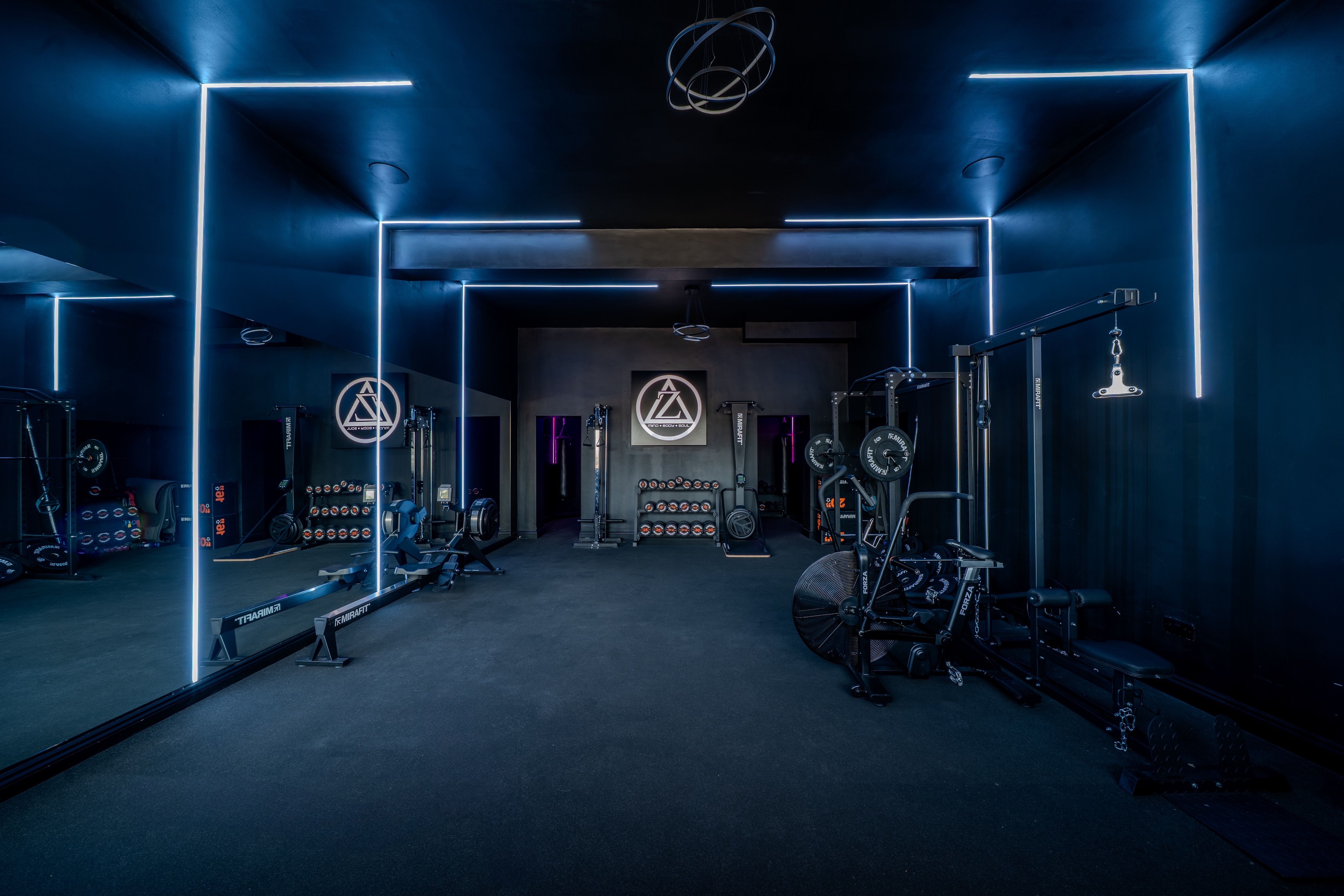
How Long Does LED Lighting Last?
LED lighting is designed for long-term use. High-quality LED products can last up to 50,000 hours or more, depending on usage and operating conditions.
This extended lifespan reduces the need for frequent replacements, which is especially valuable in commercial or hard-to-access environments. Fewer replacements mean lower maintenance costs and less disruption to day-to-day operations.
In contrast, traditional lighting often requires regular bulb changes, increasing both labour and replacement costs over time.
.jpeg)
Is LED Lighting Worth the Investment?
For most homes and businesses, LED lighting pays for itself through energy savings and reduced maintenance. While the upfront cost may be higher, the long-term financial benefits make LED lighting a cost-effective solution.
Decision-makers increasingly choose LED lighting not only for cost savings, but also for improved lighting quality, better control, and a more modern appearance. When viewed over its full lifespan, LED lighting consistently outperforms traditional alternatives in both efficiency and value.
This extended lifespan reduces the need for frequent replacements, which is especially valuable in commercial or hard-to-access environments. Fewer replacements mean lower maintenance costs and less disruption to day-to-day operations.
In contrast, traditional lighting often requires regular bulb changes, increasing both labour and replacement costs over time.
LED Lighting Cost Savings for Businesses
In commercial environments, LED lighting offers clear financial advantages. Businesses benefit from lower electricity bills, fewer maintenance interruptions, and improved working conditions for staff and customers.
For large spaces or premises operating long hours, LED lighting can contribute to meaningful cost reductions year after year. This makes it a practical upgrade for offices, retail environments, hospitality venues, and industrial settings.
Choosing Cost-Effective LED Lighting Solutions
To maximise savings, it is important to select LED lighting that matches your environment and usage needs. Choosing reliable products with appropriate brightness, colour temperature, and durability helps ensure consistent performance and long-term value.
Businesses and homeowners planning larger upgrades may benefit from professional advice to ensure the lighting solution balances upfront cost with ongoing savings.
For large spaces or premises operating long hours, LED lighting can contribute to meaningful cost reductions year after year. This makes it a practical upgrade for offices, retail environments, hospitality venues, and industrial settings.
Frequently Asked Questions
Is LED lighting more expensive than traditional lighting?
LED lighting usually costs more upfront, but it is significantly cheaper to run and lasts much longer, making it more cost-effective over time.
How much can LED lighting reduce electricity bills?
Savings vary depending on usage, but many users see substantial reductions in lighting-related energy costs after switching to LED lighting.
Does LED lighting require maintenance?
LED lighting requires minimal maintenance compared to traditional lighting, as replacements are needed far less frequently.
Is LED lighting suitable for commercial spaces?
Yes. LED lighting is widely used in commercial environments due to its efficiency, durability, and long operating life.
Upgrade Your Lighting and Reduce Long-Term Costs
If you are considering an LED lighting upgrade, explore our range of LED lighting solutions or speak to our team for guidance on selecting cost-effective options. LED lighting offers long-term savings, improved performance, and a reliable solution for both residential and commercial spaces.


.jpeg)
.jpeg)